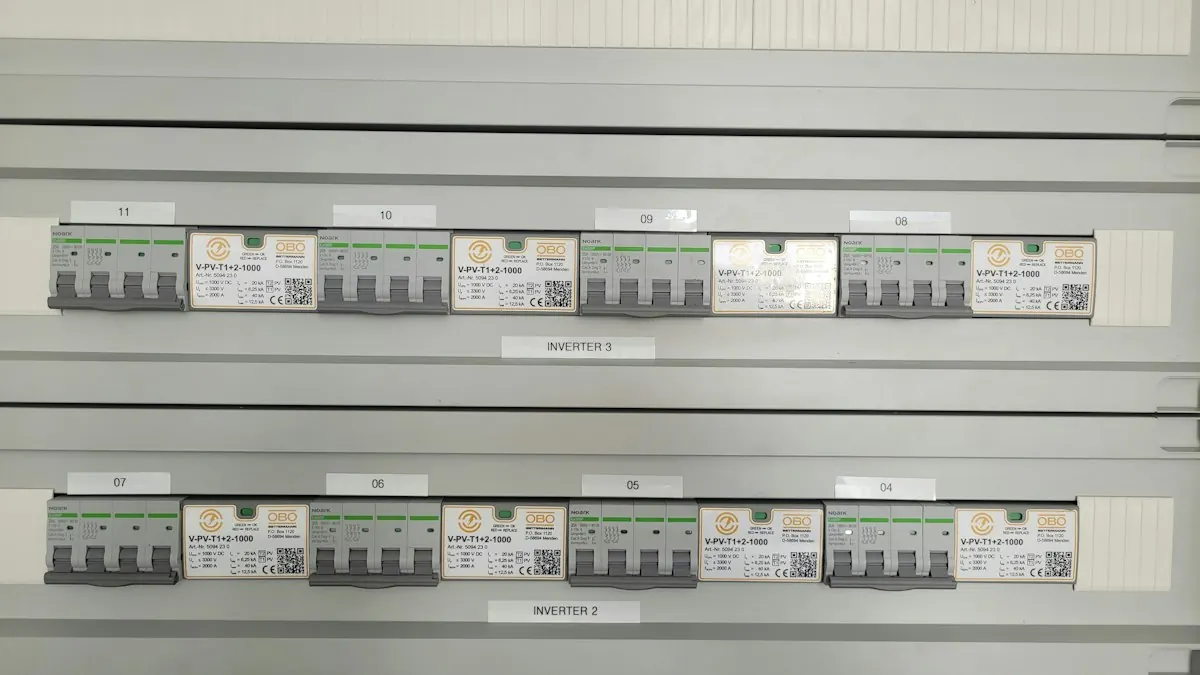
During summer thunderstorm seasons or winter freeze cycles, commercial power grids fluctuate wildly. Lights flicker, air conditioning compressors kick on, and office equipment groans under the strain of voltage sags. In many small businesses, the only defense standing between the municipal electrical grid and fifteen thousand dollars worth of servers is a fifteen-dollar power strip purchased from a retail office supply store.
That plastic surge protector is not a power filter; it is merely an extension cord with a basic metal oxide varistor (MOV) that degrades after a few small spikes. When a true brownout or voltage drop occurs, that strip does nothing. Undervoltage damages power supplies, corrupts RAID storage arrays, and reboots switches mid-transaction. Adhering to NIST Emergency Power Security Controls (SP 800-53 Rev. 5 PDF) and the official CISA Resilient Power Best Practices Fact Sheet (PDF) is essential for infrastructure stability.
"A blackout turns machines off safely. A brownout starves equipment of voltage, heating up internal transformer circuits and causing silent database corruption."
The Three Tiers of Office Power Defense
To protect delicate network appliances, understand the difference between three common classes of power hardware:
- Standard Surge Strips: Offer minimal defense against large catastrophic lightning spikes, but zero protection against sags, frequency noise, or blackouts. Once their internal capacitor takes a hit, they quietly stop protecting while the power light stays green.
- Line-Interactive UPS (Uninterruptible Power Supply): The minimum standard for office server closets. Includes Automatic Voltage Regulation (AVR) to boost low voltage or trim high voltage without discharging battery cells, extending battery life significantly.
- Online Double-Conversion UPS: The gold standard for mission-critical medical, manufacturing, and financial databases. Power is continuously converted from AC to DC and back to pure sine-wave AC, completely isolating connected hardware from municipal grid anomalies.
Smart Battery Management and Graceful Shutdowns
A battery backup does not need to run your office for eight hours. Its primary role is to bridge thirty-second grid blips and give servers five to ten minutes of clean electricity to execute automated, graceful database shutdowns if an outage persists.
Connect your primary UPS to your central server or network controller via network management cards or USB cables. When battery levels drop to twenty percent, the UPS automatically signals the operating system to flush cache to disk, close database tables, and unmount storage volumes before power cuts out completely.
Protect Your Hardware Investment
Replacing a blown motherboards or recovering corrupted partition tables costs exponentially more than sizing a proper battery backup rack. Take our quick 60-second IT Health Quiz to check your electrical resilience, or speak with James Hatch to calculate clean power specifications for your office equipment rack.